

Story – Part 2 / 1995 – 1999

being used in various contexts, including therapeutic treatment, for example for patients suffering from war-related trauma
Temptations: electronic club music and drugs
Electronic music culture had its dark side. Cases of hard drug abuse were common in Hannover’s techno scene. My friend Daniel died from it. I wasn’t really into partying during the week. I preferred to combat my ecstasy hangover with fresh air, exercise and sleep, as well as taking vitamins. Every Monday at the record store, I would look for the best tracks from the previous rave and the latest releases to add to my collection at home. The rest of the time, I styled the hair of Hanover’s techno fans and worked as a hairdresser.


Without these kinds of messengers of happiness and the openness they foster, the sense of harmony in the club wouldn’t have been able to develop so intensely.
But I couldn’t help but notice the constant demand for drugs at techno parties. Techno culture and ecstasy go hand in hand. If we’d lacked this kind of neurotransmitter (accelerator, transmitter, etc.) for happiness – and the openness it fosters – that sense of harmony in the club could never have developed so intensely. This constant demand made one forbidden aspect particularly tempting – getting the drug out there professionally. Everything was going fine at first – too easily, in fact. I mean, you could already get into legal trouble for selling or taking ecstasy back in 1994, so it made me think twice about my wild days in the techno scene back then. I was a bit unsure about mentioning this short but intense time in my life, but I decided it was more important to me to not exclude this significant fact, but to highlight the danger. This tough lesson was a real eye-opener and, luckily, it got me back on track. I wouldn’t be the person I am today (even though I’m still in favour of legalisation). But it’s important to remember that in prison, you’re bound to meet people who see life differently.
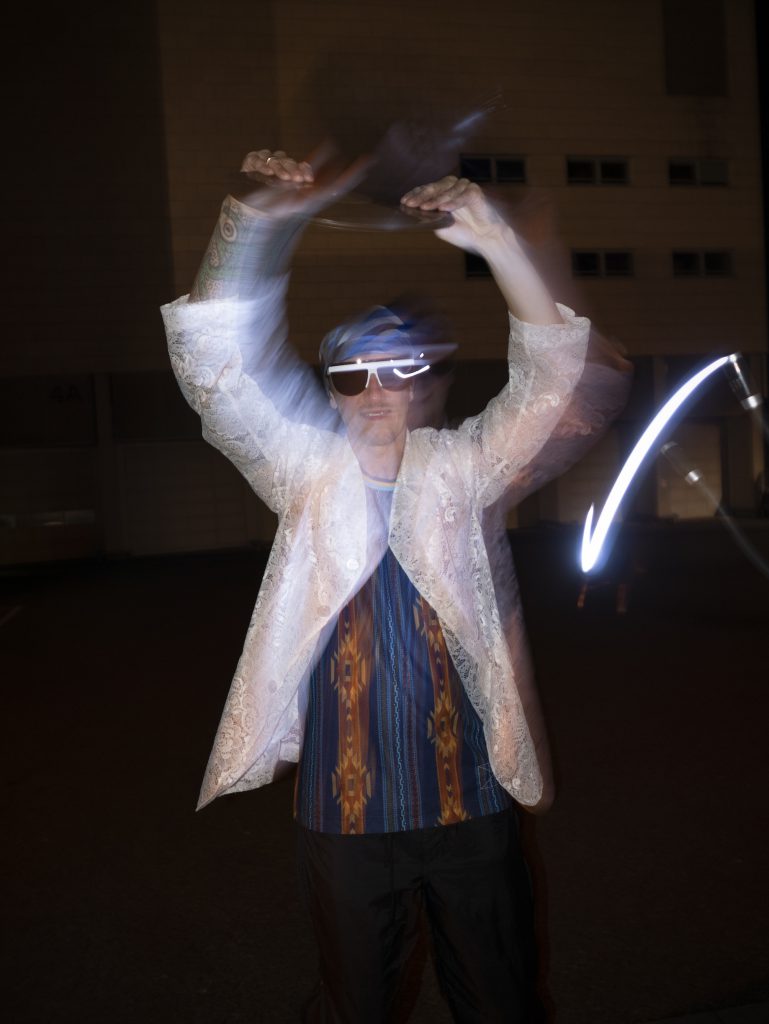
I’m a DJ in my spare time.
I’ve still got two 1210 turntables from back then, and they’re still going strong. I started buying techno and house music on vinyl more regularly again and learnt how to use the Technics 1210 properly. In Hannover, the big techno clubs had been around for a while, but from around 1996 they started to disappear. There weren’t many clubs left that were worth mentioning for electronic music. Mousse T had a small house club in his Peppermint Label Store, which went down really well. I didn’t really feel like getting into the Peppermint Jam sound just to be a DJ. I started out playing in a bunch of after-hours spots, and eventually, I got a residency at Liquid. The club bar was at the end of a passageway that went straight under the main station. This was the ‚golden triangle‘ of the time, Hannover’s nightlife district. Nearby were Osho’s, ZaZa and PaloPalo. Liquid was the smallest club, but the most impressive.
Brothers Knut and Kai had transformed a space of around 30 square metres into a futuristic time capsule, complete with quirky accessories, using a great deal of imagination. It had a great cocktail menu and the crowd was a real mix of friends, queer scene people, night owls, music lovers and the smartest and most beautiful women in the city at the weekends. I was very happy here for years and played my sets regularly on Saturdays. The Liquid was buzzing with energy, especially in the early hours, with a mix of New York and French house, quirky electronica and very British big beats.
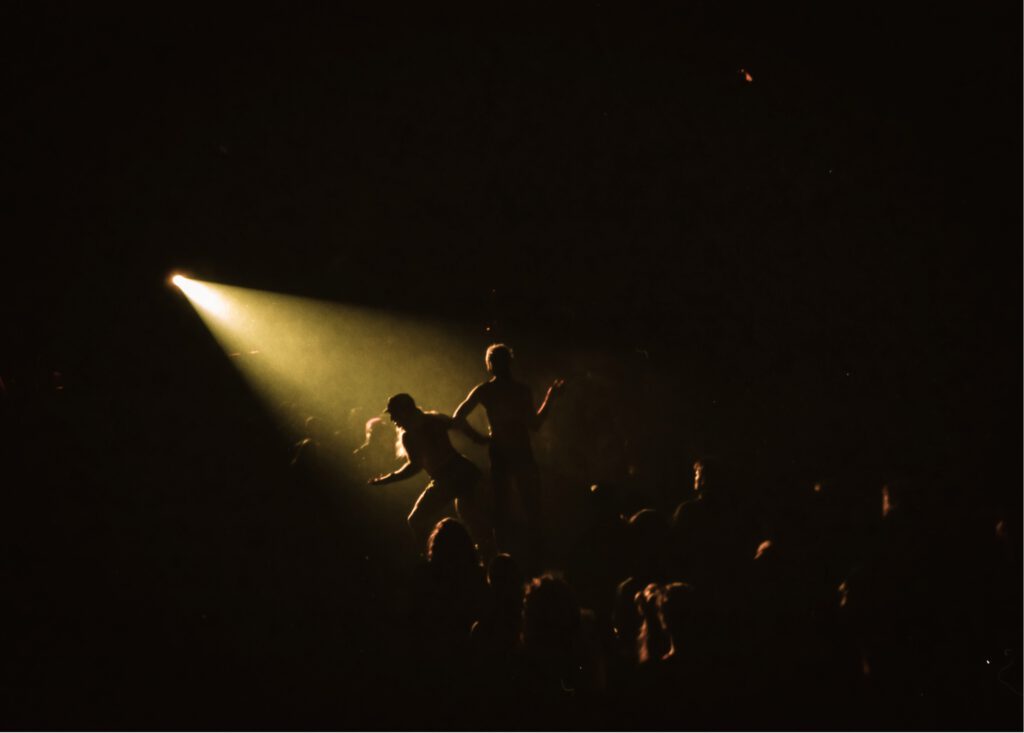
But I started going to Berlin more often, even during the day, and so I decided to bring my ideas to life in the techno metropolis of Berlin. So, in August 1999, I moved to Berlin’s Prenzlauer Berg district.
´